Unlocking Your Best Run: How Data is Changing the Sport for Everyone
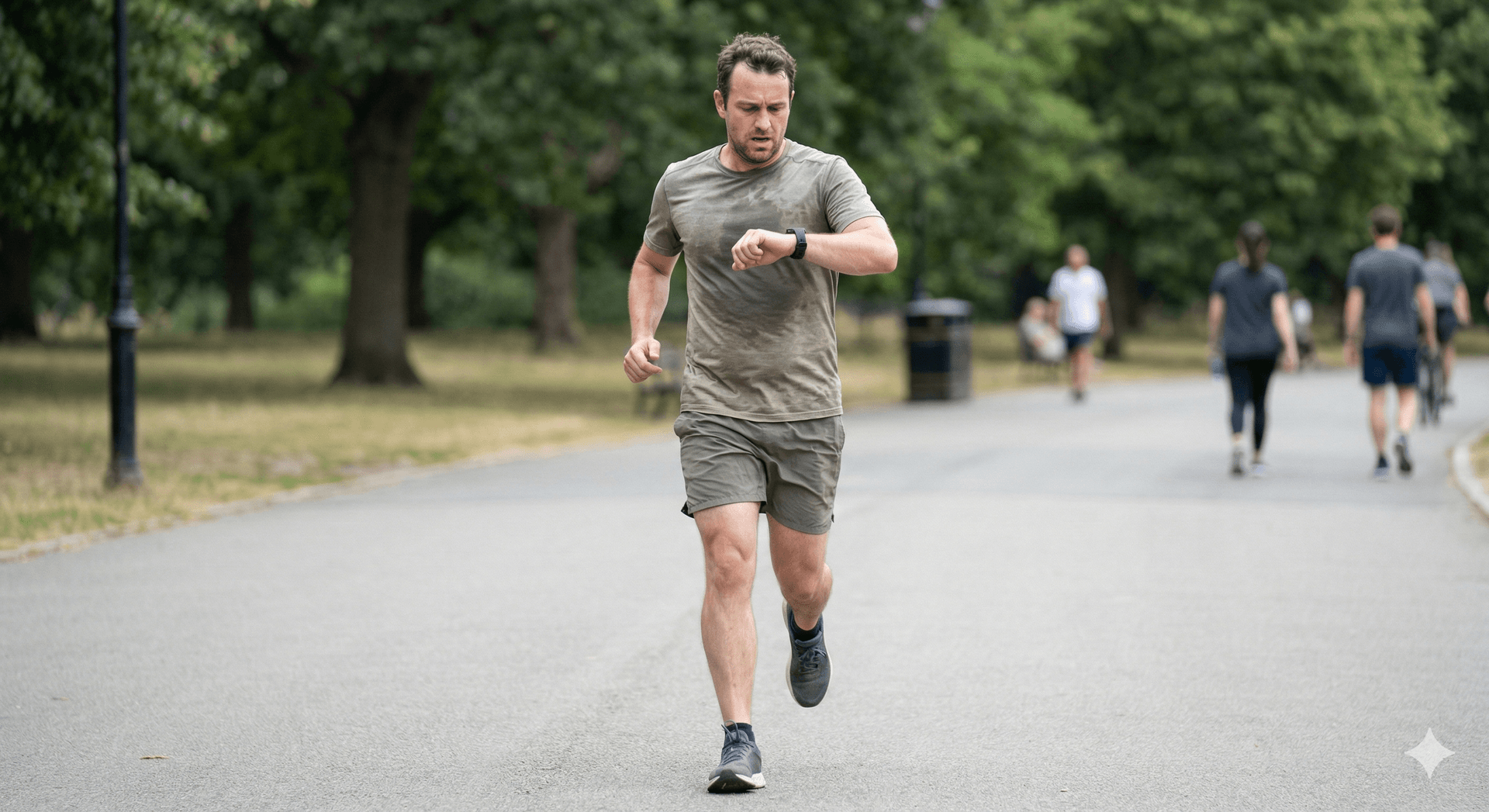
Gone are the days when running was simple: you tied your shoes, went outside, and ran until you felt tired. While the simplicity of the sport remains its best feature, a quiet revolution has occurred on wrists and in pockets globally. We are living in the golden age of running data, where information once reserved for Olympic laboratories is now abundantly available to anyone with a smartphone or a GPS watch.
This democratization of data isn't just making running more technical; it's making it smarter, safer, and more accessible for everyone from the podium finisher to the weekend warrior.
The Abundance of Information
Today, runners are walking data hubs. A standard mid-range GPS watch can track heart rate variability (HRV), cadence (steps per minute), vertical oscillation (how much you bounce), ground contact time, and even running power in real-time.
This abundance means we no longer have to guess about our effort levels or recovery status. Data provides an objective lens through which to view our training, moving us from subjective feelings (“I think I worked hard today”) to objective reality (“I spent 20 minutes in Zone 4 threshold”).
The Elite Edge: Precision Engineering
At the highest levels of the sport, data is used to find the fraction of a percent that separates gold from silver.
Take Eliud Kipchoge, the greatest marathoner in history. His team doesn't just track his miles. They utilize data to precisely define his lactate threshold—the exact point where his body begins to fatigue rapidly. By knowing this exact data point, Kipchoge spends vast amounts of time training just below that threshold, maximizing his aerobic engine without inducing unnecessary strain. His historic sub-two-hour marathon was a masterclass in data optimization, involving aerodynamic drag data, precise pacing strategies based on energy expenditure, and real-time biometric feedback.
The Everyday Runner: Consistency and Injury Prevention
You don't need to be chasing world records for data to be revolutionary. For the everyday runner, data is often the key to consistency and avoiding the dreaded injury bug.
Consider “Michael,” a busy professional training for his first half-marathon. Like many beginners, Michael's instinct is to run too fast on easy days, leading to burnout or shin splints.
How Data Helps: By using a heart rate monitor, Michael learns to stay in “Zone 2” (a conversational pace) for 80% of his runs. The data acts as a governor, forcing him to slow down to build endurance safely.
Cadence Data: Michael notices his watch says his cadence is low (around 155 steps per minute). He learns that increasing his cadence to around 170–180 can reduce the impact force on his knees. He uses the data to make small form adjustments in real-time.
For someone like Michael, data transforms running from a confusing, painful grind into a manageable, metric-based progression.
Running Smarter
The goal of this data abundance isn't to turn us into robots staring at screens instead of enjoying the scenery. The goal is to inform our intuition. Whether you are an elite athlete looking to shave seconds off a record or a new runner just trying to finish a 5K without getting hurt, data provides the roadmap to get there smarter.